
A short cut seen in profile
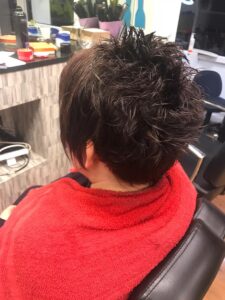
A front-facing picture rarely tells the whole story of a short haircut. The side view shows the outline around the ear and where the weight sits at the crown.
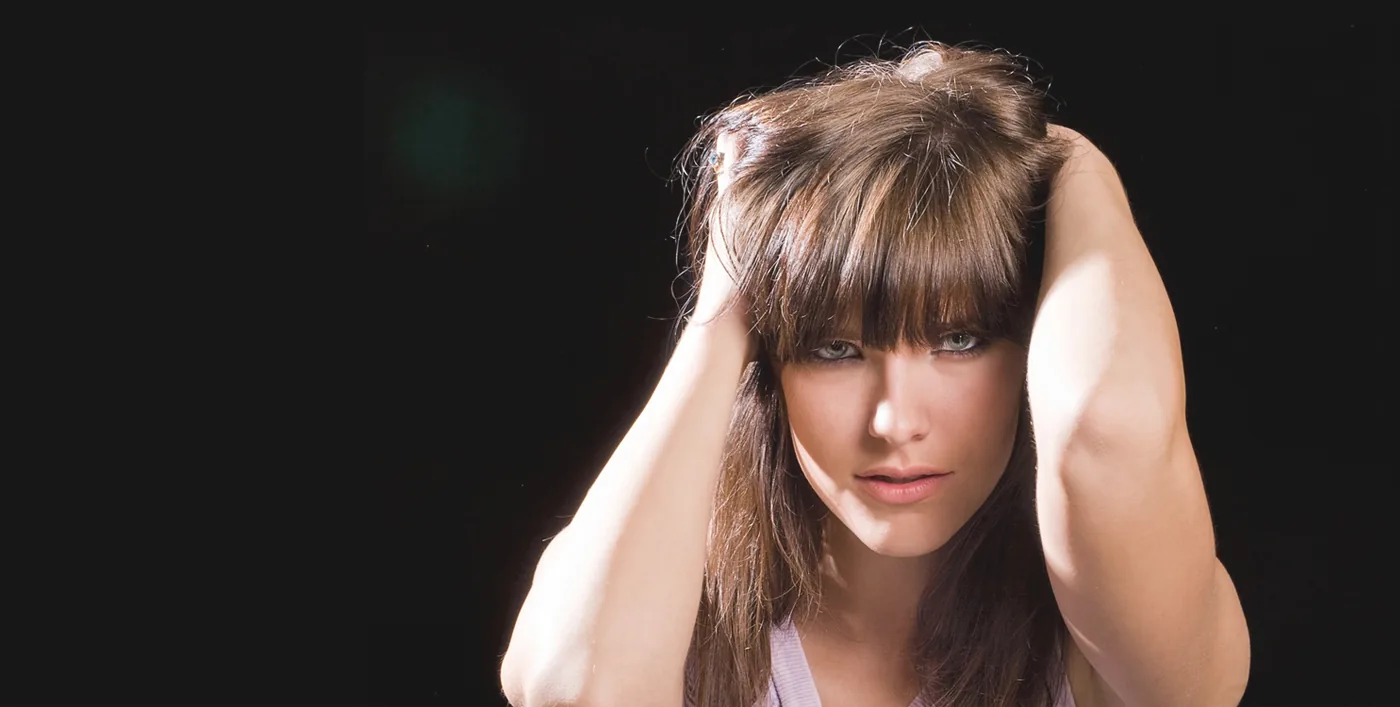
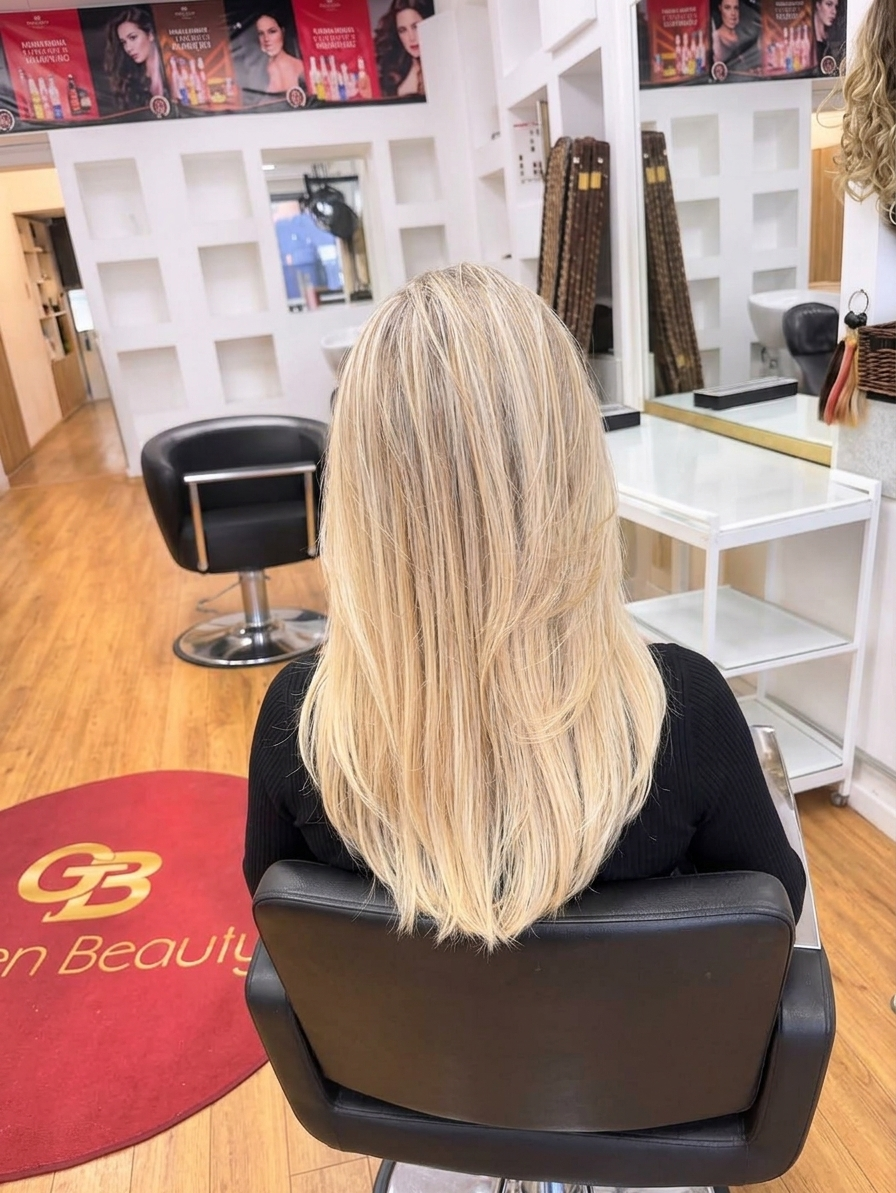
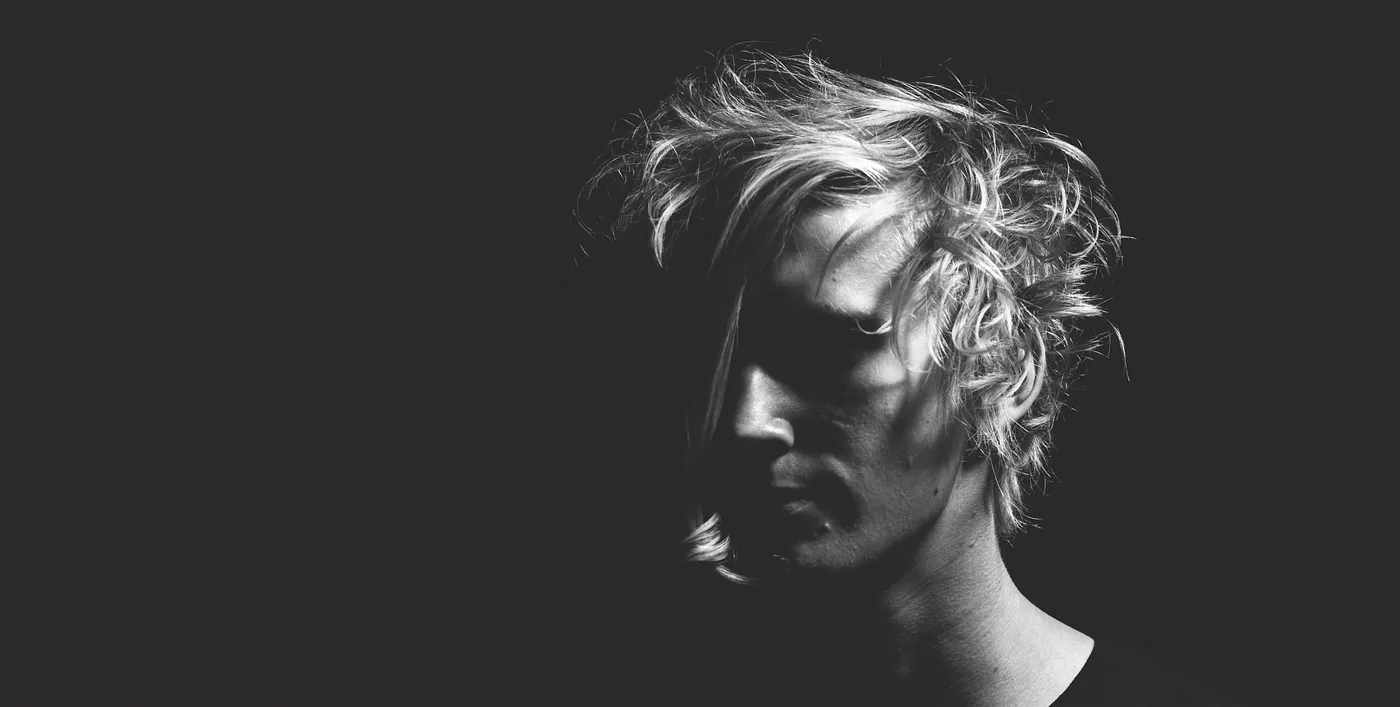
A front-facing picture rarely tells the whole story of a short haircut. The side view shows the outline around the ear and where the weight sits at the crown.
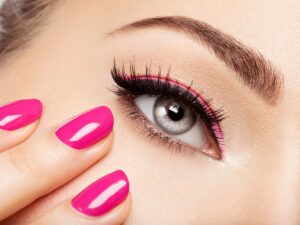
When you look at a brow reference, notice the inner edge, the high point and the tail separately. It is much easier to discuss three small details than a single word such as defined.
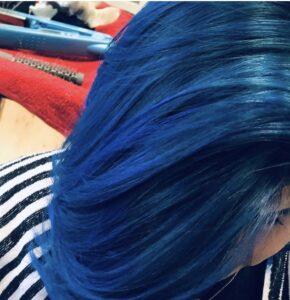
A bright shade can be a narrow accent or the first thing you notice about a haircut. Decide how much colour you want to see when the hair is at rest.
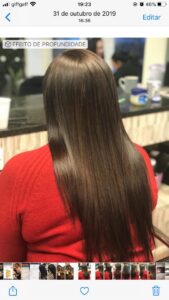
With a smooth finish, small decisions stand out: the parting, the curve of the ends and whether one side sits behind the ear. Choose one of those details before collecting reference pictures.
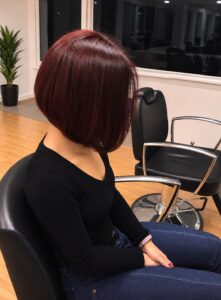
A photo might show the blonde you love. A second photo, showing how you wear your hair on an ordinary Tuesday, can be just as helpful.

Pick one pink at the manicure table and you still have several decisions to enjoy. Coverage, shape and the smallest detail at the tip can change the whole finish.
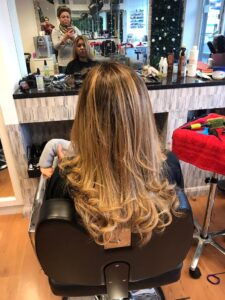
A high collar, a pair of earrings and the journey across London can all influence the hairstyle you choose for an evening out.
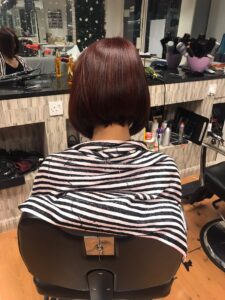
Imagine two portraits taken a few minutes apart. In the first, the ends brush a coat collar. In the second, a small triangle of daylight shows between the hair and the shoulder. Even before you compare the colour, you can see what a change in length does to the outline.

A rose polish can look peach beside a coral and almost mauve beside a warm nude. The quickest way to narrow down a whole ring of swatches is to take just three colours off it.
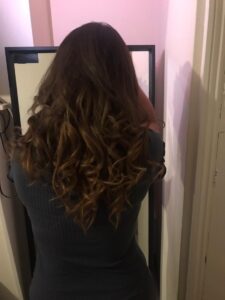
Two people can bring the same photograph of long hair to a consultation and want quite different things. One points to where the ends fall. The other points to how full the hair looks across the shoulders.
Golden Beauty By Claudia 2026
Powered by WordPress